Schedule a Free Consultation
(914) 253-0700
DISCOVER
THE JOY OF GETTING
WHAT YOU WANT
DISCOVER
THE JOY OF GETTING
WHAT YOU WANT
Procedures
Westchester Cosmetic Plastic Surgery by Dr. Andrew Kleinman

Facial Procedures
Facial cosmetic procedures are designed for the purpose of rejuvenating a person’s youthful appearance through
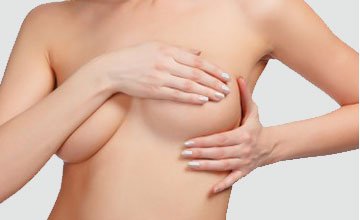
Breast Augmentation
Breast augmentation is a plastic surgery procedure which can enhance the breasts, creating a

Body Contouring
Procedures which flatter and shape the body to improve your confidence and appearance
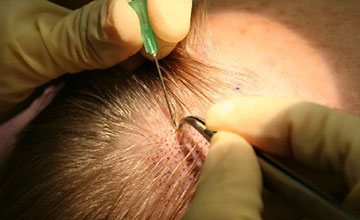
Hair Transplant Surgery
Are you experiencing hair loss or thinning hair? Hair loss can affect not only how

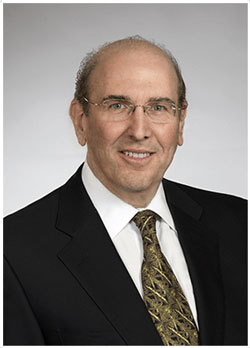
Dr. Kleinman is a board certified plastic surgeon certified by the National Board of Medical Examiners and the American Board of Plastic Surgery. He is a member of the American Society of Plastic Surgeons (ASPS) and is the former President of the Westchester County Medical Society. Currently, Dr. Kleinman is the President of the Medical Society of the State of New York.
After graduating Phi Beta Kappa from MIT, Dr. Kleinman completed medical school at the University of Rochester Medical School. He completed his residencies and fellowships in general and plastic surgery at several prestigious institutions including the Harvard Surgical Service, George Washington University Hospital and Massachusetts General Hospital, where he mastered both reconstructive and cosmetic procedures. Of note, Dr. Kleinman’s plastic surgery residence was at Baylor College of Medicine in Houston, where he worked with Frank Gerow, the creator of breast implants.
As one of the most respected plastic surgeons in the state of New York, Dr. Kleinman provides a full range of cosmetic surgical procedures delivered to a world class standard. Of particular note is Dr. Kleinman’s exceptional reputation for breast augmentation and hair transplant surgery, for which he is regarded among the very best in the world.
Dr. Kleinman constantly remains in the forefront of his profession by simultaneously providing his patients with the latest advances in products and techniques in plastic surgery while applying the tried and true safety measures that have gained him a large and loyal following. You can trust Dr. Kleinman to always do what’s best for you.
Dr. Kleinman is a board certified plastic surgeon certified by the National Board of Medical Examiners and the American Board of Plastic Surgery. He is a member of the American Society of Plastic Surgeons (ASPS) and is the former President of the Westchester County Medical Society. Currently, Dr. Kleinman is the President of the Medical Society of the State of New York.
Latest News & Media
Westchester Cosmetic Plastic Surgery by Dr. Andrew Kleinman
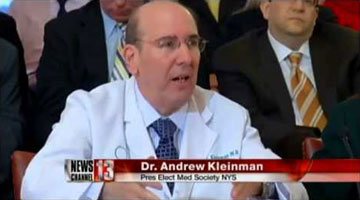
News 13: New Yorkers May Soon Have More Health Insurance
New York may be getting closer to providing you with more health insurance protections. Right now, it’s…